
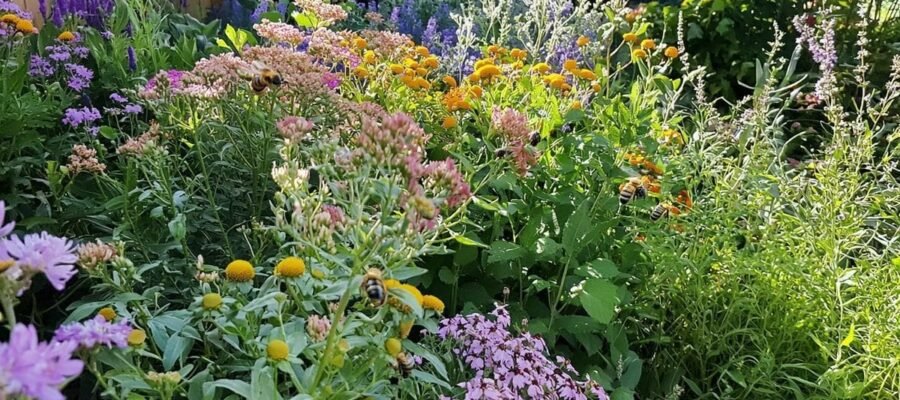
As summer approaches, the gardens are buzzing with activity. World Bee Day, celebrated on May 20, reminds us of the crucial importance of these pollinators to our ecosystem. According to Pierre Dumont, a renowned horticulturist from the Toulouse region, some flowers have a particular attraction on bees, transforming a simple garden into a true oasis of biodiversity. This specialist, with thirty years of experience in the cultivation of honey plants, shares his observations and advice to understand why certain flowers are real magnets for pollinators.
Bees don’t choose flowers at random. Their preference for some species derives from the millenary coevolution between these insects and flowering plants. “Bees and flowers have developed a fascinating symbiotic relationship,” explains Dumont. “Certain floral features are specifically designed to attract these essential pollinators. »
Color as the first sign of attraction
Bees perceive the world differently than we do. Their vision extends into the ultraviolet spectrum, invisible to the human eye. “Bees are particularly attracted to the colors blue, purple and yellow,” explains our horticulturist. “These shades are more visible to them than reds, which they have difficulty distinguishing. » Purple flowers, in particular, exert a particular fascination on bees, symbolizing royalty, spirituality and wisdom in many cultures.
This color sensitivity explains why lavender, sage and borage are among foragers’ favorites. Some flowers even have “nectar guides,” ultraviolet patterns invisible to us but which direct bees to the heart of the flower, where pollen and nectar are found.
The floral shape and structure, crucial for access to nectar
The morphology of the flower plays a crucial role in its attractiveness. “Bees generally prefer flowers with an open structure, which allows them easy access to nectar and pollen,” says Dumont. Corollas that are too deep or too narrow can discourage some species of short-tongued bees.
Compound flowers, such as coneflowers or rudbeckias, provide bees with a “landing pad” and multiple food sources in one stop. This energy efficiency explains their success with pollinators, who thus optimize their foraging efforts.
Perfume, an invisible but powerful signal
If sight guides bees from afar, smell takes over nearby. “Floral scents are real chemical messages aimed at pollinators,” explains our expert. “Certain volatile compounds specifically signal the presence of abundant nectar. »
Bees can detect these odors from several kilometers away, which explains why aromatic plants such as lavender, thyme or mint are so attractive. These scents also vary depending on the time of day, allowing plants to “schedule” pollinator visits at times when their nectar production is optimal.
The most attractive varieties for a lively garden
After understanding what attracts bees, let’s discover the species particularly preferred by these pollinators, according to the advice of our expert horticulturist.
“Native species are often overlooked in favor of exotic ornamentals, but they are perfectly suited to local pollinators,” Dumont points out. In fact, wildflowers and local bees have evolved together for millennia, creating specific relationships.
Poppies, wild daisies, cornflowers and even bugloss are all native species that effectively feed our pollinators. Kokopelli, an association specialized in organic and reproducible seeds, also offers “Grazing for bees” mixtures particularly suitable for local ecosystems.
Pollinating roses, beauty and usefulness together
Contrary to popular belief, some roses can be great plants for bees. “Heirloom varieties and simple roses, whose stamens are easily accessible, are highly appreciated by pollinators,” explains our expert. These roses combine aesthetic appeal for the gardener and nutritional benefit for bees.
Botanical roses such as Rosa rugosa or Rosa gallica offer generous flowering accessible to pollinators, followed by decorative fruits (rose hips) that feed birds in winter. A truly multifunctional plant for biodiversity.
Edible honey plants, useful in the garden and kitchen
«Why not combine business with pleasure?», suggests Dumont. Many edible plants are great for bees. Borage, courgette flowers, aromatic herbs such as thyme, sage or oregano produce abundant flowers that nourish pollinators and embellish our dishes.
A recent video shared on YouTube presents the ten best edible and honey-producing flowers to grow in your garden, ideal for both bees and biodiversity in general. These dual-use plants optimize garden space by multiplying its benefits.
Our horticulturist shares his tips for turning any outdoor space into a pollinator sanctuary.
Seasonal planning, key to continuous supply
“The main mistake gardeners make is not planning flowering later in the year,” explains Dumont. Bees need food from early spring until autumn. Good planning includes early blooms such as crocuses, primroses and hyacinths, followed by summer and then autumn blooms.
This food continuity is essential to sustain bee colonies during their active season. Some producers, such as Tangi de P’tit Vallon or Thibaud on his 26-hectare farm in Bierné-les-Villages, work on the multiplication of plant varieties that promote this temporal diversity.
Pollinator-friendly gardening practices
Attracting bees isn’t simply about planting the right species. “Gardening practices are equally important,” insists our expert. Ditching pesticides is obviously essential, but other actions matter too.
Leaving some areas of the garden wilder, not systematically cutting back faded flowers that produce nutritious seeds, installing shallow water points where bees can drink without drowning are all recommended practices. The creation of shelters such as insect hotels completes this reception system.
The environmental impact of a bee-friendly garden
Beyond the aesthetic and productive aspect, bee-friendly gardens play an important ecological role.
Contribution to saving declining pollinators
“Every bee-friendly garden provides an oasis in an environment increasingly hostile to these essential insects,” recalls Dumont. Faced with the worrying decline of bee populations, both domestic and wild, private gardens have become crucial refuges.
A network of producers like that of Kokopelli, with people like Lisa and Blandine working 2,500 m² of land on the banks of the river in Haute-Loire, or even Cédric in Indre-et-Loire who grows 50 to 100 varieties on 7,000 m², contributes significantly to maintaining a plant diversity adapted to the needs of pollinators.
Collateral benefits for the entire ecosystem
Gardens full of honey plants don’t just benefit bees. They also attract a multitude of other beneficial insects such as butterflies, hoverflies and ladybugs, which contribute to the balance of the garden by regulating pest populations.
“A bee-friendly garden is generally more resilient,” notes our horticulturist. “The biological diversity it supports creates a balanced ecosystem in which plant health issues are naturally regulated.” These gardens also help create ecological corridors that allow species to move across fragmented landscapes.
At this time when World Bee Day has just reminded us of the importance of these pollinators, the development of bee-friendly spaces represents a concrete act in favor of biodiversity. Whether it’s specific roses, wildflower mixes, or edible honey plants, every gardener can help provide bees with the resources they need to thrive.
As Pierre Dumont points out: “Planting for bees is planting for our future”. A message that resonates particularly as spring is in full swing and the gardens come alive with color and life, ready to welcome these precious allies of our environment.
latest posts published
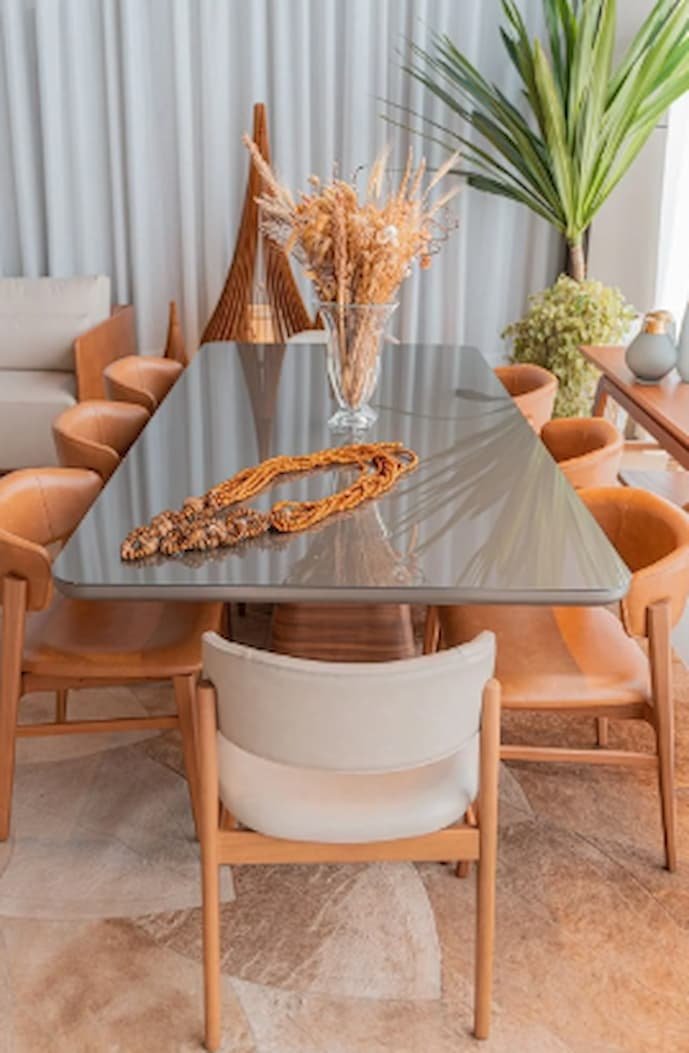
Waterfall table: refinement for your home

Using hexagonal screen in decorative furniture
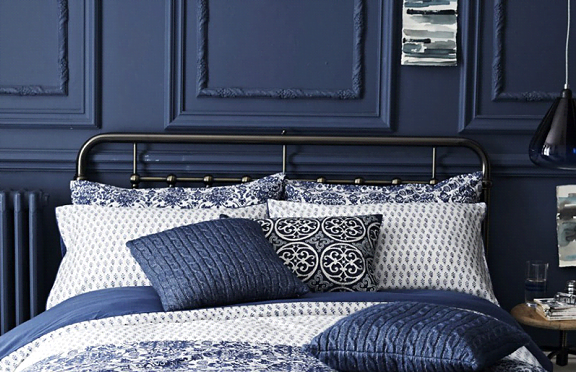
Decorating trends for 2023!

Color trend for 2023 in your home
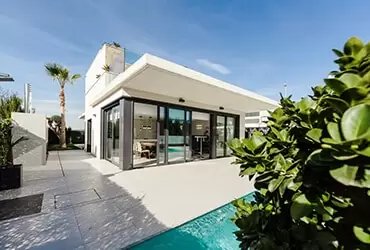
Luxury Furnishings: Refinement and Exclusivity for Unique Environments

Balconies become essential in a good apartment

João Gasparini Building: the perfect environment for your company

Buying Modern and Luxury Sofas: Transforming your Home

The 5 types of sofas to choose from and furnish your home