
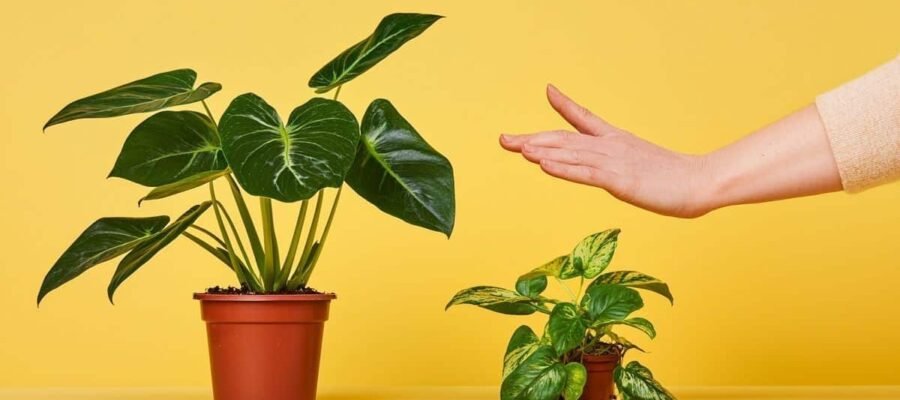
In recent years, companion planting has seen renewed interest, particularly in urban planters. However, this healing practice can prove counterproductive if not mastered. Experienced gardeners are now reporting worrying results: some plant combinations lead to crop losses or even plant death.
Competition for resources
Plants share the same space, but not necessarily the same needs. Some absorb more water or nutrientsweakening their neighbors. For example, the legumes (beans, peas) enrich the soil with nitrogen, but their rapid growth can suffocate less vigorous plants such as tomatoes or the cucurbitaceae.
The attraction of parasites
Some associations unintentionally attract harmful insects. THE beets planted next to it dwarf nasturtiums they attract aphids, which then feed on plant leaves. A common mistake, highlighted by experts, is ignoring the interactions between botanical families.
Combinations to absolutely avoid
Various associations believed to be beneficial actually turn out to be toxic to plants. Here are the worst mistakes to avoid.
Legumes and lilies: a total incompatibility
THE lily (garlic, onion, leek) e legumes (beans, peas) they must never coexist. Their association interrupts the growth of both plants, reducing their yields. This rule also applies to tomatoesoften mistakenly associated with beans.
Aromatic and broad-leaved plants
THE MINDS et basilicas they are invasive plants that suffocate vegetables. Even in a planter, their presence can inhibit growth of tomatoes OR zuchinis. Experts recommend growing them separately.
Cabbages and edible flowers: a trap
THE chicory et marigolds they are often planted nearby choux to repel parasites. However, this association weakens cabbages exposing them to fungal diseases. A recent study shows that cabbages associated with these flowers have reduced resistance to flea beetles.
Common beginner mistakes
Even experienced gardeners make companionship mistakes. Here are the most common.
Match plants based on appearance
Many gardeners group plants by color or size without considering their needs. THE lobelies (blue flowers) are often planted with tomatoesbut this association it has no advantage and it can too hinder photosynthesis vegetables.
Overload the planters
Narrow vase favor competition for water and nutrients. THE cactus et succulent (like theEcheveria) can coexist, but broad-leaved plants (like the lettuces) must be isolated to avoid water stress.
Ignoring growth cycles”
THE radish sown first carrots repel red spiders, but this technique requires rigorous planning. Gardeners in a hurry often forget to respect the 15-day period between sowings, nullifying the protective effect.
Expert advice for a successful company
Faced with these risks, specialists recommend a methodical approach.
Study the needs of plants
Before any association it is necessary to analyze:
- The type of terrain (draining, wet, dry)
- Light requirements (shade, direct sun)
- Root depth (superficial vs deep)
THE tomatoes et beans they have opposite needs: the former prefer rich soils, the latter enrich the soil with nitrogen. Their association is therefore contraindicated.
Use barrier plants
Some species act like natural shields. THE leeks et onions repel the carrot fly, while the wise protect the asparagus parasites. These plants need to be placed on the edge of a planter to maximize their effect.
Alternative crops
THE vegetable rotation it is essential. THE cucurbitaceae (courgettes, cucumbers) must be moved every year to avoid diseases. THE tomatoes et eggplant It must not be replanted in the same place for 3 years.
Alternatives to traditional company
In the face of risks, new ways to optimize planters are emerging.
Associations for botanical families
THE apiaaceae (carrots, parsley, celery) protect each other from parasites. THE legumes (beans, peas) enrich the soil for cucurbitaceae (courgettes, melons). Ces Associations family they are safer than random mixes.
Thematic planters
Instead of mixing everything up, gardeners create special pots :
- Aromatic vase : basil, parsley, coriander (without mint)
- Anti-parasite pot : garlic, leek, sage
- Vegetable pot : tomatoes, beans, courgettes (without aromatic plants)
Technological solutions
Mobile apps like Professional gardener help plan associations by cross-referencing botanical data. These tools warn incompatibility and suggest alternatives in real time.
: a reinvented company
The observation is clear: mixing plants in a planter is not a trivial practice. Association errors can ruin months of work. To avoid these pitfalls, gardeners must adopt a scientific approachbased on botanical studies and feedback.
Experts advise document each association and of notice the results to adapt plantings during the seasons. Finally, they highlight the importance of leave space between plants, even in planters, to avoid excessive competition.
With these precautions, associated agriculture will return to its initial vocation: optimizing harvests while preserving the ecological balance.
latest posts published
Waterfall table: refinement for your home

Using hexagonal screen in decorative furniture

Decorating trends for 2023!

Color trend for 2023 in your home
Luxury Furnishings: Refinement and Exclusivity for Unique Environments

Balconies become essential in a good apartment

João Gasparini Building: the perfect environment for your company
Buying Modern and Luxury Sofas: Transforming your Home

The 5 types of sofas to choose from and furnish your home