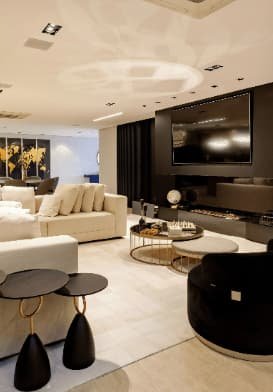

In recent years, a trend has emerged in homes: drying laundry is gradually moving to the living room, to the detriment of the bathroom. This practice, although surprising, answers practical and aesthetic questions. Between saving space, optimizing time and preserving humidity, there are many reasons. Find out why this daily revolution attracts more and more families.
The reasons for this change in practice
Recurring problems in the bathroom
The bathroom, often small, suffers from a lack of surface to accommodate a drying rack. Traditional bulky models create a visual effect of overloadespecially in small spaces. Additionally, lingering humidity after a shower or bath slows drying, leading to stubborn creases and a musty smell.
Advantages of the living room as a space to hang out
The living room offers a aerated volume ideal for quick drying. Here natural air currents or ventilation systems speed up the process, reducing drying times by 30-50%. Furthermore, this practice frees the bathroom from its role as a “technical area”, making it something more welcoming and functional for treatment.
Tips for optimizing drying in the living room
Choose the right drying rack
Opt for one foldable drying rack OR mounted on the wall to gain flexibility. Models with wheels make it easier to move laundry in an open window, while hanging shelves take advantage of the convenience ceiling height without taking up the floor.
Make use of the height
Install modular wall shelves for storing clean towels or household products. This solution frees up space and creates clean line of sight. For cramped rooms, choose tall furniture (storage columns) that combine practicality and aesthetics.
Alternative solutions for the bathroom
Columns and hanging containers
If the bathroom remains your drying space, transform it with storage columns from floor to ceiling. This furniture includes shelves for care products and towel holder retractable, ideal for hanging clothes without overloading them.
Plants and aerial decorations
Add hanging plants (ivy, ferns) to add a natural touch. These elements draw attention away from technical areas (such as the drying rack) and create a relaxing atmosphere. Associate them with wall hooks to hang towels or accessories, freeing up surfaces.
The impact on home organization
Reduction of environmental humidity
By avoiding drying the laundry in the bathroom, we limit the condensation on mirrors and tiles. This practice preserves the integrity of the materials (wood, joints) and reduces the risk of mold.
Time saving and convenience
Quick drying in the living room allows reuse clothes firstavoiding morning delays. Furthermore, this method reduces persistent creaseslimiting the time dedicated to ironing.
The choice to hang out the laundry in the living room rather than in the bathroom is part of a logic of rationalization of spaces. By combining vertical storage solutions, adequate drying racks and consideration of humidity, this practice transforms everyday life while preserving the aesthetics of the rooms. A trend that could expand, especially with the emergence of multifunctional furniture and intelligent ventilation systems.
The Living Room Laundry Revolution: Why Drying Moves Out of the Bathroom
In recent years, a trend has emerged in homes: drying laundry is gradually moving to the living room, to the detriment of the bathroom. This practice, although surprising, answers crucial practical and aesthetic questions. Between saving space, optimizing time, and managing humidity, there are many reasons why this daily revolution attracts more and more families.
The shift is particularly prevalent in urban apartments and modern, highly insulated homes where the traditional utility or drying room is non-existent or inadequate.
1. Saving Space and Optimizing Layout
The primary driver is often the constraints of contemporary housing design.
-
Shrinking Utility Areas: Modern apartments often feature smaller bathrooms and dedicated utility areas (like a lavanderia), which may only have space for the washing machine itself. The living area, being the largest space, offers the most flexible floor plan for temporary solutions.
-
Vertical Space Utilization: Modern drying racks are often tall, retractable, or wall-mounted, utilizing the higher ceiling height of a living room more efficiently than a cramped bathroom ceiling.
2. Humidity Control and Air Quality
Contrary to initial assumptions, the bathroom is often the worst place for drying laundry over time, especially in poorly ventilated spaces.
-
Excessive Moisture: Drying clothes in a small, closed bathroom saturates the air, potentially leading to mold, mildew, and condensation damage to paint and surfaces.
-
Improved Air Flow: The living room typically benefits from larger windows, better overall ventilation, and continuous air circulation from the central heating/cooling system. Drying laundry here allows moisture to dissipate more effectively and quickly throughout the house, reducing the risk of localized mold growth.
3. Aesthetic and Design Integration
Modern drying solutions have become more refined, allowing them to coexist with living spaces.
-
Discreet Design: Today’s drying racks are often made with sleek materials (like bamboo, matte metal, or wood) and feature minimalist, sophisticated designs. They are intended to be visually less obtrusive and easier to fold away.
-
Time Optimization: Since families spend most of their time in the living area, placing the laundry there makes the process of hanging and folding less of a separate chore and more integrated into the daily flow of activities.
latest posts published
Waterfall table: refinement for your home

Using hexagonal screen in decorative furniture
Decorating trends for 2023!
Color trend for 2023 in your home

Luxury Furnishings: Refinement and Exclusivity for Unique Environments

Balconies become essential in a good apartment

João Gasparini Building: the perfect environment for your company
Buying Modern and Luxury Sofas: Transforming your Home
The 5 types of sofas to choose from and furnish your home