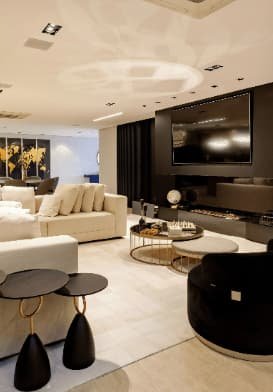
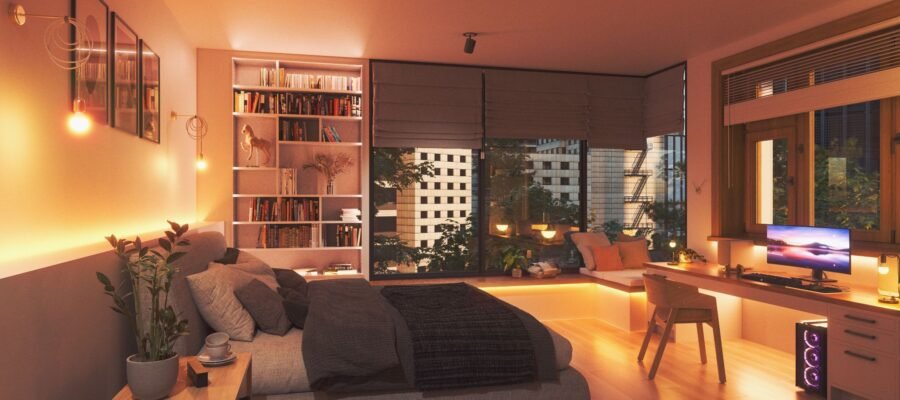
Lighting a home doesn’t mean choosing beautiful fixtures. The quality of light and its color temperature directly influence the way we perceive space, the atmosphere of the house and even our mood. Often people choose light bulbs only based on energy consumption or price, without paying attention to the fact that there are different types of light: warm, neutral and cold.
One of the most important decisions is the choice between warm light and cold light. Each of them has advantages and disadvantages, and their correct use can completely transform the look of your home.
Warm Light vs. Cold Light: Transforming Your Home
Lighting a home doesn’t mean simply choosing beautiful fixtures. The quality of light and its color temperature directly influence the way we perceive space, the atmosphere of the house, and even our mood. Often people choose light bulbs only based on energy consumption or price, without paying attention to the fact that there are different types of light: warm, neutral, and cold.
One of the most important decisions is the choice between warm light and cold light. Each of them has distinct advantages and disadvantages, and their correct use can completely transform the look and feel of your home.
Understanding Color Temperature
Color temperature is measured in Kelvin (K). This measurement determines how “warm” (yellowish) or “cold” (bluish-white) a light source appears.
What does warm light and cold light mean?
The color temperature of the light is measured Kelvin (k).
-
Warm light has a value between 2700k and 3000k And it has a yellowish tint, similar to western or candle light.
-
Neutral light lies around 3500K–4000Kbeing closer to natural light during the day.
-
Cold light varies between 5000k and 6500kwith a white-blue tint, very strong and clear, similar to midday light.
Warm light: when and why to choose it
The warm light creates a sense of comfort, relaxation and intimacy. It’s perfect for spaces where you want to rest after a long day.
Where it is best suited:
-
Bedroom: Helps you relax and creates a pleasant atmosphere before sleeping.
-
Life: creates a friendly environment for discussions and quiet evenings.
-
Relaxation spaces: Library, reading corner, dining room for those who are quiet.
Advantages
-
Reduces the sensation of visual fatigue;
-
brings a warm and intimate note;
-
Highlights the warm colors of the furniture (beige, cream, brown, red).
Disadvantages
Cold light: where it has the greatest impact
The cold light stimulates attention, concentration and guarantees excellent visibility. It’s the kind of light that gives you the feeling of freshness and energy.
Where it is best suited:
-
Kitchen: for cooking and activities that require precision.
-
Very: It offers clarity, especially in the mirror area.
-
Office or workspace: helps concentrate and maintain energy.
-
Technical spaces: Garage, workshop, warehouses.
Advantages
-
offers excellent visibility;
-
creates an active and energetic environment;
-
It is ideal for detail work.
Disadvantages
-
used in excess it can seem cold, impersonal;
-
May emphasize eye strain if used late at night.
How to combine warm and cold light in your home
The best result is achieved when you know how to do it combine the two types of light correctly.
-
In Kitchenyou can use cold light for the work area (worktop, sink) and warm light for the dining area.
-
In lifechoose warm main lighting, but add a lamp with neutral light for reading.
-
In officekeep the cold light for work time, but install a warm light lamp for moments of relaxation.
So your home becomes more flexible and adapts to the needs of the day.
Frequent mistakes in choosing light
-
The exclusive choice of a single type of light for the whole house.
-
The use of cold light in the bedroom affects relaxation and sleep.
-
Insufficient lighting in work areas.
-
Discrepancy of light with decorative colors: for example, cold light causes warm shades of furniture.
Practical advice for choosing light bulbs
-
Look at the package after the value in Kelvin – This shows you exactly the type of light.
-
Pay attention to the color reproduction index (CRI). A value above 80 means that objects retain their natural colors.
-
Don’t choose just based on power (watts): brightness is measured lumens (lm).
-
Use LED bulbs: they are cheaper, last longer and have variations in all shades of light.
latest posts published
Waterfall table: refinement for your home

Using hexagonal screen in decorative furniture
Decorating trends for 2023!
Color trend for 2023 in your home

Luxury Furnishings: Refinement and Exclusivity for Unique Environments

Balconies become essential in a good apartment

João Gasparini Building: the perfect environment for your company
Buying Modern and Luxury Sofas: Transforming your Home
The 5 types of sofas to choose from and furnish your home