
When I saw this line on my bank statement, I realized the hidden fees scam
A bank statement, usually a neutral document, can sometimes reveal unpleasant surprises. An unexpected commission, a large amount, an incomprehensible statement… These situations, increasingly frequent in 2025, illustrate an alarming reality: banks and intermediaries use complex mechanisms to charge hidden commissions, undermining family budgets.
Recent revelations about the practices of private banks and brokers show that these fees, often hidden under jargon, can amount to hundreds of euros a year. Although French budgets are already under strain, this modest inflation of bank charges is becoming a major problem.
Banks and intermediaries have developed a opaque pricing strategycombining recurring commissions and disguised commissions. These practices, while legal, often exploit customer ignorance.
Opaque practices of private banks and intermediaries
The costs of bookkeepingFrom Paper Award or from portfolio management they are sometimes presented as “free” services or “benefits”, when they hide real costs. Brokers in particular use it complex formulas to justify high commissions, often linked to risky financial products.
Legal limits and exceptions
Despite regulatory limitations, banks circumvent the rules segmented price scales. For example :
- Refusal of direct debit : max €20 (or transaction amount)
- bounced check : €30 (≤€50) or €50 (>€50)
- Intervention commissions : €8/operation, €80/month
For customers fragilethese limits are reduced (€4/operation, €20/month), but subject to membership of a specific offer.
The economic impact of hidden taxes on families
Increases in bank commissions arrive in 2025 1.7% on averagewith marked differences depending on the plant. These increases, often justified by inflation or operating costs, weigh heavily on budgets.
The consequences on family budgets
- Account maintenance fees : +24 €/year (Crédit Agricole Anjou Maine), +18 € (Touraine Poitou), +12 € (Centre Loire)
- Paper Award : increase in annual fees, often linked to “optional” services.
- Discoveries : High fees for unauthorized withdrawals
Additional Scams: Fake Administrative Sites
At the same time, the scams with fake administrative sites cost 150 million euros per year to a million French people. These platforms pose as public services to charge fictitious fees, such as “registration fees” or non-existent “taxes”.
Faced with these practices, vigilance and knowledge of banking mechanisms are essential. Here are concrete strategies to limit losses.
The importance of supervision and transparency
- Check your statements systematically : Identify recurring charges and ask your bank about their nature.
- **Ask for a **clear price list**: Reject contracts with ambiguous information.
- Use comparison tools : specialized sites or applications to evaluate the real costs of services.
Alternative solutions to traditional banks
THE neobanks OR online banks they often offer more transparent offers, with reduced commissions. However, pay attention to traps :
- Conversion fees for currencies
- Withdrawal limits
- Paid services hidden in the “premium” options.
Towards stricter regulation of banking practices
While the banks justify these increases with operating costsconsumer associations ask a greater transparency and harsher sanctions for abusive practices.
Policy and regulatory issues
THE DGGCRF (General Directorate for Competition, Consumption and Fraud Control) fights scams, but banks operate gray areas of law. Urgent reform is needed to:
- Ban on disguised taxes
- Limitation Fees
- **Require banks to provide **simplified fee schedules**
Conclusion : Hidden commissions from banks and brokers represent a important challenge for families. While individual oversight is crucial, collective and regulatory action is needed to redress the balance between bank profitability and consumer protection.
The Alarm of the Bank Statement: Unmasking Hidden Fees
A bank statement, usually a neutral document detailing transactions, can sometimes reveal unpleasant surprises. An unexpected commission, a large or recurring amount, or an incomprehensible statement—these situations, which you note are increasingly frequent in 2025, illustrate an alarming reality: banks and financial intermediaries use complex mechanisms to charge hidden commissions, subtly undermining family budgets.
The opaqueness of these charges is often intentional, relying on complexity to discourage detailed scrutiny from the average customer.
1. The Mechanisms of Hidden Commissions
Banks employ several methods to obscure fees, making them difficult for customers to track:
-
Jargon and Nomenclature: Fees are often listed using complex or generic acronyms and terms (e.g., “Maint. Fee Adj.,” “Svc Chg Non-Reg”). This makes it nearly impossible for the consumer to quickly identify the charge’s source or purpose without extensive research.
-
Layering Intermediaries: In modern global finance, especially with digital transactions and cross-border payments, each step (from the initial payment processor to the receiving bank) may add a small, seemingly insignificant fee. The cumulative effect of these charges, particularly in foreign exchange or investment platforms, can be substantial.
-
Fee Structures Based on Inactivity or Non-Compliance: Banks increasingly charge fees for failing to meet certain criteria, such as maintaining a minimum balance, not using a debit card a minimum number of times, or receiving paper statements (a “paper statement fee”). These are easily overlooked until they appear on the statement.
-
The Fine Print Trap: The complex mechanisms are legally established deep within the service agreement’s fine print, which most customers sign without reading thoroughly. When challenged, the bank can simply point to the agreed-upon terms.
latest posts published

Waterfall table: refinement for your home

Using hexagonal screen in decorative furniture

Decorating trends for 2023!

Color trend for 2023 in your home

Luxury Furnishings: Refinement and Exclusivity for Unique Environments

Balconies become essential in a good apartment
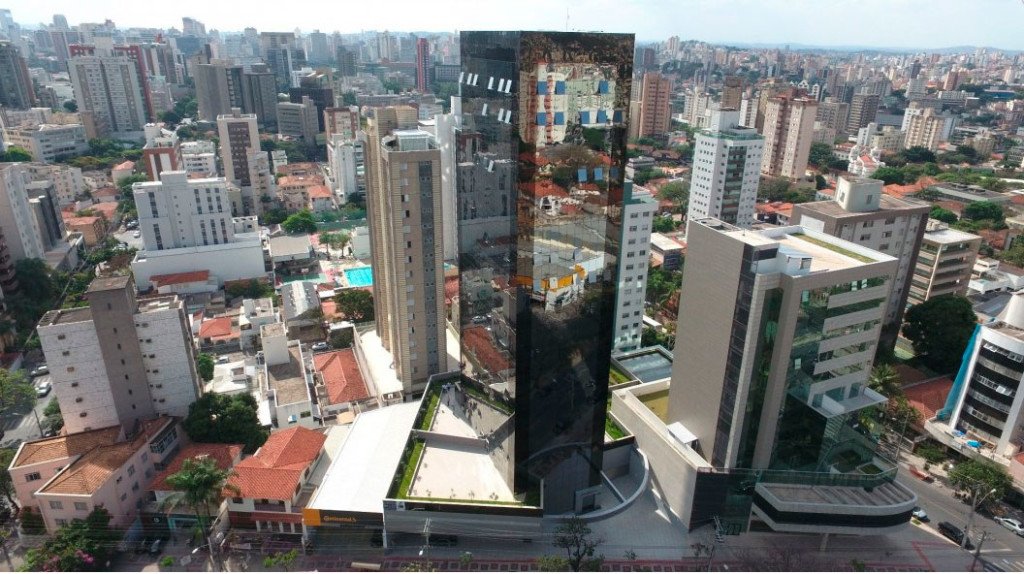
João Gasparini Building: the perfect environment for your company

Buying Modern and Luxury Sofas: Transforming your Home

The 5 types of sofas to choose from and furnish your home